Affordable Home Paternity Test Kits for Family Clarity
The Rise of Home Paternity Tests: Accuracy, Privacy, and Convenience
The increasing prevalence of at-home paternity tests represents a significant transformation in how people approach parentage verification. With reliability rates frequently surpassing 99%, these assessments present a accessible approach for collecting DNA samples. However, underlying worries regarding privacy about DNA data are still widespread. As a growing number of families consider such testing options, they need to consider get details on this the consequences of accuracy, privacy, and emotional consequences. What factors should they prioritize in determining the right course of action?
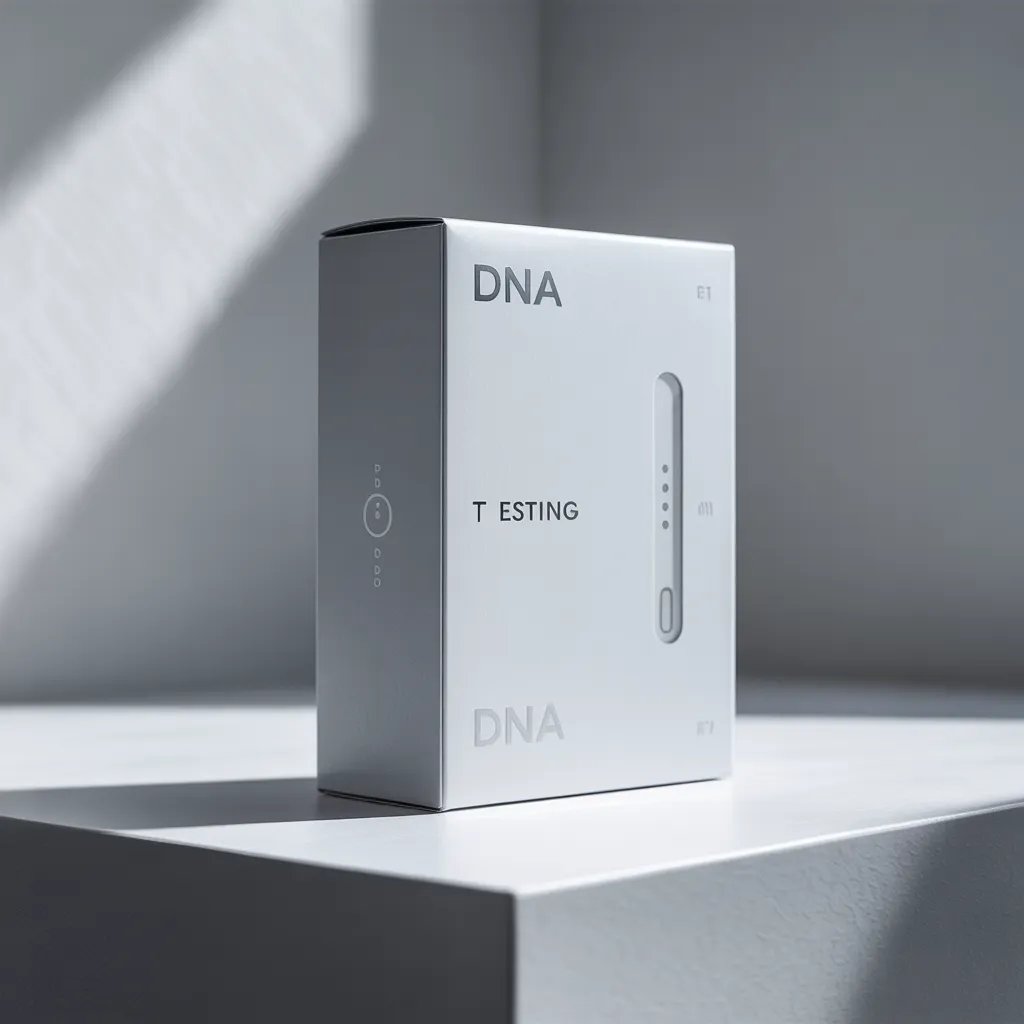
How Do Home Paternity Testing Kits Work?
At-home paternity tests generally operate via a simple procedure that involves gathering DNA specimens. Individuals receive a testing kit equipped with swabs intended for cheek cell collection, usually from both the prospective father and the child. Users are instructed to gently rub the swabs inside their cheeks so as to obtain enough DNA for testing. After collecting the samples, they are stored in specified collection vessels and then forwarded to a testing facility for evaluation.
At the laboratory, the DNA is isolated and studied to pinpoint particular genetic indicators. This evaluation matches the DNA samples of the child and the alleged father to establish biological parentage. Outcomes are generally provided within a few days, and the procedure is intended to remain user-friendly, guaranteeing little inconvenience. Home testing convenience attracts numerous individuals, enabling people to find results in the comfort of their personal space. This method emphasizes the test's growing popularity as a dependable choice for paternity verification.
What Is the Accuracy of Home Paternity Tests?
How dependable are at-home paternity tests for identifying biological connections? Typically, these tests are designed to provide a high degree of accuracy, frequently surpassing 99% when performed properly. The process involves analyzing DNA specimens from the presumed father, child, and in some instances the mother, matching genetic markers to determine a relationship. Nevertheless, the reliability of results may be affected by elements such as sample contamination or incorrect handling procedures.
Many home tests employ sophisticated methods akin to those in clinical laboratories, yet they may be without the rigorous supervision characteristic of professional testing. Moreover, results can vary between various brands and products, highlighting the importance of identifying a reputable provider. While home paternity tests can deliver a clear suggestion of biological ties, individuals should exercise discretion, recognizing that legal and emotional implications may arise from the findings. Ultimately, for total assurance, seeking guidance from an accredited lab is advisable.
What Privacy Concerns Should You Know About?
While home paternity tests offer a practical method for confirming biological relationships, they also raise serious privacy issues. The collection and handling of genetic material, often in the form of oral swabs or saliva specimens, may result in improper access or misappropriation. Many companies do not guarantee the privacy of provided specimens, placing individuals at risk of privacy violations.
In addition, the findings may be shared with third parties without clear consent, amplifying concerns of discrimination or discrimination. Users may also be unaware of how their genetic information will be retained or potentially utilized for research purposes.
In addition, the affective dimensions linked to surprising discoveries can create additional challenges within the privacy landscape. On the whole, while these tests provide simplicity and widespread availability, the shortage of robust regulatory frameworks and transparency in data handling brings forth significant concerns about personal rights regarding data privacy and ownership of their own genomic information.
How Do Test Outcomes Impact Emotional Well-Being?
The emotional fallout from paternity test results can be profound and far-reaching. Those involved may experience a range of emotions, ranging from happiness and relief to resentment and heartbreak. For many people, a positive match can validate longstanding assumptions, fostering a bond of trust and reassurance. On the other hand, a negative result may lead to a sense of confusion, disbelief, and sorrow, particularly if a close family tie is brought into doubt.
Such feelings often spread beyond the individual to affect bonds within the family unit. Parents could wrestle with guilt or fear concerning what this means for their children, while siblings could encounter changes in how they view family relationships. Furthermore, societal stigma may intensify these emotions, as individuals navigate societal expectations surrounding parentage. Ultimately, the psychological impact of the results of paternity testing differs considerably, underscoring the intricate relationship between sense of self, trust, and psychological wellness.
Important Factors to Consider When Choosing a Home Paternity Test
Working through the emotional landscape in the wake of paternity test results commonly prompts individuals to think carefully about their next steps, particularly when selecting a home paternity test. Multiple essential factors deserve attention to secure a dependable and favorable outcome.
Initially, accuracy remains crucial; people ought to look for tests featuring high sensitivity and specificity levels. Following this, the ease of use is vital; an uncomplicated collection procedure can help reduce anxiety. Confidentiality represents another major consideration; established organizations ought to assure protected processing of private data and findings.
Cost is also a factor; potential users should weigh the price against the test's credibility and support services. In addition, client feedback and testimonials offer valuable perspectives from previous users, helping individuals work through the various alternatives. By evaluating these factors, people can arrive at well-informed decisions that match their personal requirements and goals.
Popular Questions We Receive
Are At-Home Paternity Tests Accepted as Legal Evidence in Court?
Home paternity tests are commonly not legally admissible in court owing to reliability issues and a lack of consistent testing protocols. Courts generally mandate analyses carried out by certified laboratories to be considered credible legal proof in paternity proceedings.
How Long Does It Take to Get Home Paternity Test Results?
Home paternity testing results usually take three to five business days for processing. A number of companies provide accelerated processing services, cutting down the waiting period to approximately 24 hours, based on the particular testing method selected.
Can I Take the Test Again if I'm Unclear About My Results?
Certainly, users can take the test again if not confident in the results. It is best to allow some time to pass before retesting to guarantee accuracy. Seeking professional advice can also help determine the most appropriate course of action.
Which Samples Are Required for At-Home Paternity Tests?
Home paternity tests usually call for buccal swabs from the child as well as the potential father, although certain kits can also accommodate blood samples. Correct collection and careful handling of these samples is critical to achieving accurate results.
Are There Age Restrictions for Testing Children?
There are typically no particular age limitations when testing children using home paternity tests. However, obtaining consent from a legal guardian is typically required, ensuring the child's rights and privacy are respected throughout the process.