Affordable Paternity Test Cost Options for Families
Is a Home Paternity Test the Right Choice for You? Pros and Cons
The decision to use a home paternity test is multifaceted. It offers convenience and privacy, appealing to those seeking quick answers. Still, the likelihood of inaccuracies and emotional repercussions can create further complications. Furthermore, these tests are not legally recognized, which calls their dependability into question. Understanding these factors is essential. What could be the most appropriate path forward for those confronted with such challenges?
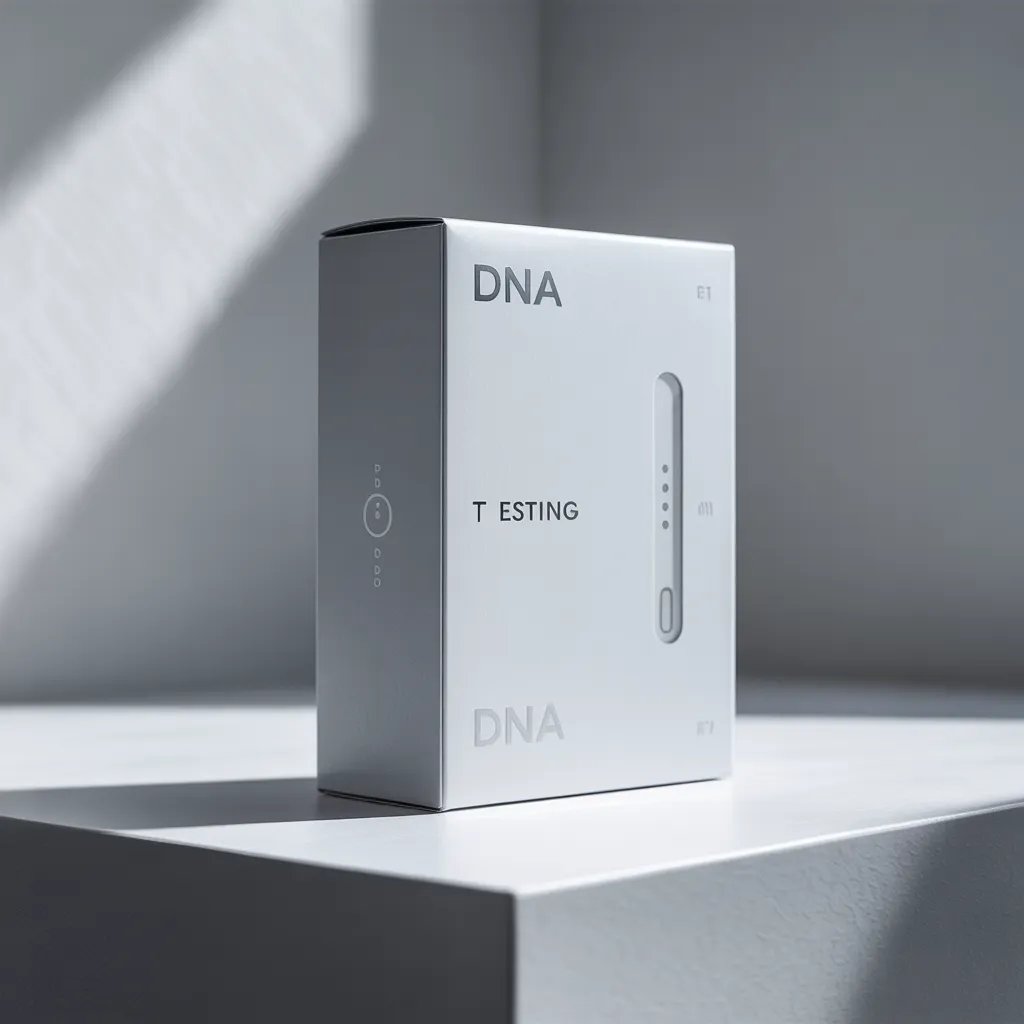
How At-Home Paternity Tests Operate
Home paternity tests simplify the procedure for establishing genetic connections through a straightforward method. Typically, these tests involve gathering DNA specimens from the individuals involved, commonly via cheek swabs. Users follow the provided instructions to confirm proper sample collection and handling. When the specimens have been obtained, they are dispatched to a specialized testing facility for copyrightination.
At the testing facility, DNA is isolated and analyzed to assess genetic similarities. The copyrightination procedure leverages cutting-edge methods to pinpoint markers that suggest a biological relationship. Outcomes are generally provided within a short timeframe, offering answers to those seeking answers about parentage.
Whereas home paternity tests deliver ease of use and privacy, it is important for users to be aware that these tests are designed for informational use and may not hold legal standing. Those seeking formal results for legal proceedings may need to pursue accredited testing through certified facilities.
The Benefits of Home Paternity Testing
Why consider home paternity testing? Many individuals seek the ease and discretion that these tests offer. This type of paternity testing enables discrete specimen collection, usually involving basic cheek swabs, which may be performed in the absence of a clinical specialist. This ease of access allows people for individuals to obtain accurate results conveniently and in the comfort of their own home.
In addition, home tests are often more cost-effective than laboratory tests, making them a compelling option for those on a budget. The response time for results is often speedier, frequently delivering answers within several days.
In addition, these tests help reduce emotional distress by delivering clear answers about paternity, which can be essential for personal and legal circumstances. Overall, residential paternity tests deliver a convenient solution for individuals seeking answers without the complications of formal testing settings.
The Risks of Home Paternity Testing
Although home paternity testing offers considerable convenience, significant concerns should not be ignored. A primary concern involves the reliability of test results. At-home tests frequently fall short of copyrightine now the stringent quality benchmarks upheld by certified laboratories, potentially producing misleading or erroneous results. Moreover, inadequate sample collection methods can significantly affect the reliability of results, as contamination or inadequate handling might skew findings.
Another risk involves data privacy and security. A large number of home testing kits necessitate the submission of personal information, that could be at risk of security breaches or misuse. In addition, people may encounter unforeseen emotional repercussions, as results can lead to family conflicts or distress.
In closing, the legal aspects of home paternity tests should be considered. Findings from these tests may not be recognized in legal proceedings, diminishing their effectiveness in legal matters. Overall, while home paternity testing offers ease of access, the associated risks deserve thoughtful evaluation.
Emotional and Juridical Aspects of Paternity Testing
Understanding the emotional and practical aspects of a paternity test is crucial for anyone contemplating a home-based test. The psychological aftermath from learning about unforeseen results can be deeply impactful, affecting relationships between parents, children, and extended family. Individuals must prepare for likely sentiments including anger, anxiety, or confusion that may stem from the test outcomes.
Legally, the implications may also be substantial. Home paternity test results may be inadmissible in court, which could complicate custody or child support proceedings. Therefore, anyone contemplating such tests ought to consult with legal experts to gain a complete understanding of their rights and choices. Moreover, confirmed paternity may result in responsibilities related to child support and inheritance, adding another layer of complexity. At the end of the day, carefully weighing both the emotional and legal factors is essential to effectively navigating the potential outcomes of paternity testing.
Is a Home Paternity Test Right for You?
Determining whether a home paternity test is appropriate requires thoughtful evaluation of several key factors. Individuals contemplating this option are advised to reflect on their intentions, as emotional implications can be significant. This type of test delivers ease of access and confidentiality, but it does not carry the legal validity of professional lab tests, which are frequently necessary in custody or child support proceedings.
Moreover, precision is a key factor to consider; while numerous home tests prove trustworthy, variations in results can happen. Individuals should also weigh the likely influence on household dynamics, as test outcomes may trigger unanticipated repercussions. Moreover, the cost-effectiveness of home tests should be assessed against the likely necessity of additional professional testing.
Ultimately, a thoughtful consideration of individual situations, one's emotional state, and lasting implications is necessary. Seeking professional guidance may help clarify the situation, allowing individuals to make a well-informed choice about whether a at-home paternity test is the right fit for their situation.
Frequently Asked Questions
How Accurate Are Home Paternity Tests Compared to Lab Tests?
At-home paternity tests generally provide accuracy levels above 95%, comparable to lab tests. However, variables including sample quality and testing methods can influence the outcome. When seeking reliable conclusions, laboratory-based testing is still considered the gold standard.
Can I Trust the Privacy of Home Paternity Test Results?
Trust in the confidentiality of home-based paternity test results varies by organization. Trustworthy providers enforce robust confidentiality protocols, but people should review guidelines and client testimonials to confirm personal information continues to be protected throughout the procedure.
What Is the Typical Cost of Home Paternity Tests?
At-home paternity tests usually range from $100 to $500, depending on the provider and the complexity of the test. Additional expenses may occur for expedited results or specialized testing services, affecting the total cost.
How Much Time Does It Take to Receive Results From a Home Test?
Findings from a home paternity test usually take three to seven days. Certain laboratories can offer expedited options, providing results in as little as one or two days, based on the processing speed of the laboratory.
Are At-Home Paternity Tests Permitted in All States?
Home paternity tests are generally legal in all states; however, particular rules and requirements can differ. It's essential for individuals to verify local laws and confirm compliance with any necessary legal procedures before proceeding.