Expert Insights to Home Paternity Test
The Rise of Home Paternity Tests: Reliability, Discretion, and Accessibility
The increasing prevalence of at-home paternity tests represents a considerable change in how families navigate paternity confirmation. With precision levels often exceeding 99%, these tests provide a practical approach for DNA sample collection. However, significant privacy concerns about personal genetic information continue to exist. As more people explore these tests, they must carefully assess the implications of privacy, accuracy, and emotional impact. What factors should they prioritize in their decision-making process?
How Do At-Home Paternity Tests Work?
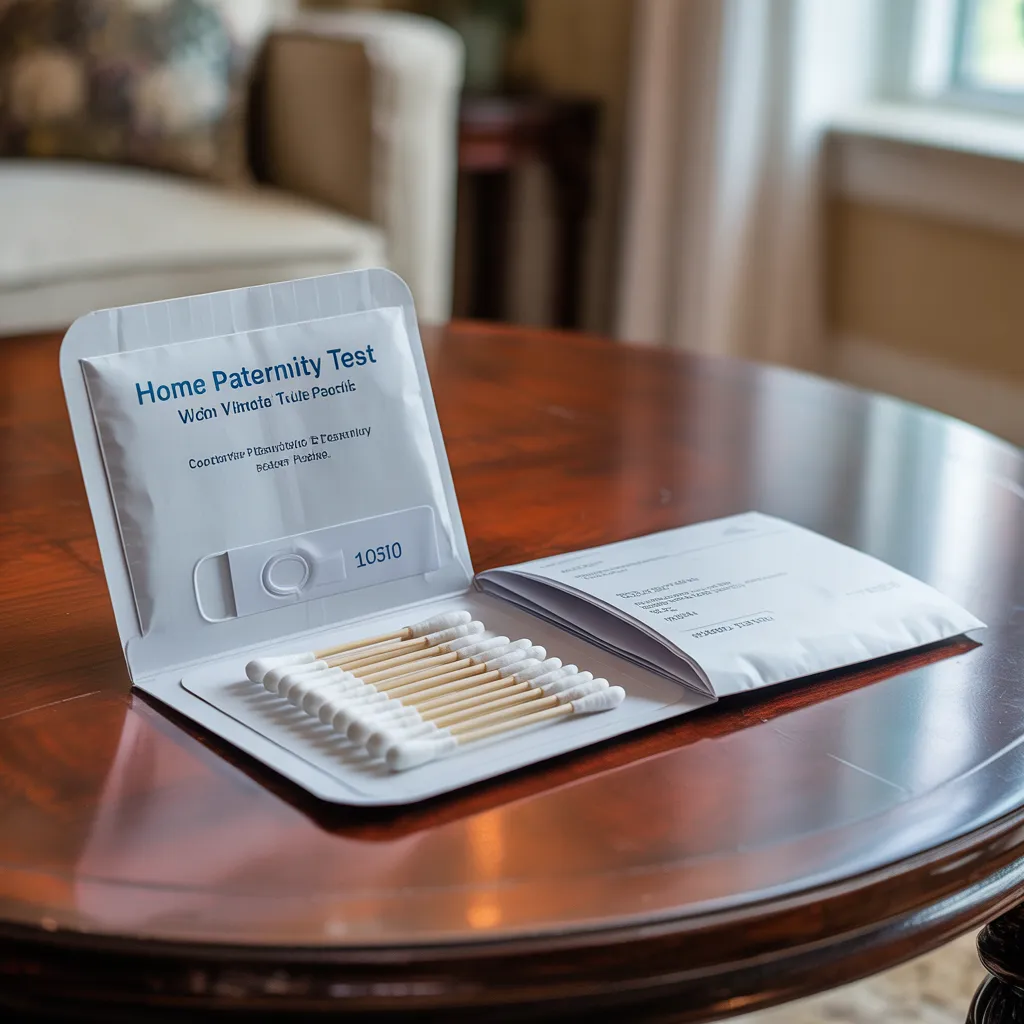
At-home paternity tests generally operate by means of an uncomplicated method centered around collecting genetic material. People are provided with a test kit equipped with swabs intended for cheek cell collection, typically from the potential father and child. Individuals are directed to carefully swab the interior of their cheeks in order to collect an adequate amount of genetic material. Following the collection of the samples, they are placed in designated containers and sent to a laboratory for analysis.
At the laboratory, the DNA is collected and examined to determine distinct genetic characteristics. This analysis compares the DNA samples of the child and the alleged father to establish biological parentage. Findings are typically ready within a few days, and the method is crafted to be user-friendly, providing minimal stress. The convenience of home testing appeals to many, enabling people to find results in the comfort of their personal space. This method emphasizes the examination's increasing recognition as a reliable option for establishing paternal identity.
How Reliable Are Home Paternity Tests?
How dependable are at-home paternity tests for identifying biological connections? Generally, these tests claim to offer a high accuracy rate, often exceeding 99% when conducted correctly. They analyze DNA samples from the alleged father, child, and sometimes the mother, comparing genetic markers to establish a relationship. That said, the precision of these tests can be compromised by issues like sample contamination or inadequate handling practices.
The majority of home tests employ sophisticated methods akin to those found in professional labs, yet they may lack the rigorous supervision linked to professional testing. Moreover, results can differ between competing kits and providers, emphasizing the necessity of identifying a reputable provider. While home paternity tests can offer a clear suggestion of familial relationships, individuals should exercise discretion, considering that significant emotional and legal ramifications may arise from the findings. At the end of the day, for complete confidence, seeking guidance from an accredited lab is recommended.
What Privacy Concerns Should You Know About?
While home paternity tests offer a practical method for confirming familial biological ties, they also raise serious privacy issues. The collection and handling of genetic material, often in the form of cheek swabs or saliva samples, has the potential to cause improper access or misappropriation. Many companies do not guarantee the security of collected samples, leaving individuals vulnerable to privacy violations.
Moreover, the results may be distributed to third parties without explicit consent, heightening concerns of stigmatization or discrimination. Consumers may also be unaware of how their genomic data will be kept or potentially applied to research purposes.
Additionally, the affective dimensions associated with unexpected results can further obscure the privacy framework. On the whole, while these examinations present user-friendliness and accessibility, the absence of strict regulatory oversight and clarity in data management practices brings forth significant concerns about personal rights regarding data privacy and control over their own genetic information.
In What Ways Do Test Results Influence Emotions?
The emotional consequences from paternity test results can be deep and wide-ranging. People may experience a range of emotions, ranging from happiness and relief to anger and betrayal. For some, a positive match can validate longstanding assumptions, fostering a sense of connection and security. Conversely, a negative result may lead to emotions of uncertainty, bewilderment, and grief, particularly if a close find out more family tie is brought into doubt.
These sentiments can extend beyond the individual to impact family relationships. Parents may grapple with fear and guilt over the implications for their children, while brothers and sisters may experience changes in how they view family relationships. Furthermore, public stigma can worsen these sentiments, as people manage the social pressures related to parenthood. At the core of it all, the emotional toll of paternity test results can vary significantly, highlighting the complex interplay between personal identity, trust, and mental health.
Important Factors to Consider When Choosing a Home Paternity Test
Working through the emotional journey following paternity test results commonly prompts individuals to think carefully about their next steps, particularly when selecting a home paternity test. Multiple essential factors warrant consideration to guarantee a trustworthy and positive outcome.
As a primary consideration, precision is essential; users should pursue tests that demonstrate strong sensitivity and specificity ratings. Following this, usability is of great importance; a straightforward collection process can alleviate stress. Personal privacy stands as another important issue; credible firms are expected to secure the careful handling of sensitive data and results.
Expense is also a key factor; potential users should weigh the price against the test's credibility and support services. In addition, user reviews and personal accounts shed light on the experiences of fellow customers, helping individuals work through the various alternatives. By evaluating these factors, individuals can make informed choices that align with their needs and expectations.
Frequently Asked Questions
Are Home Paternity Tests Legally Admissible in Court?
DIY paternity tests are commonly not legally admissible in court due to concerns about accuracy and the lack of standardized procedures. Courts typically require tests conducted by accredited laboratories to be considered credible legal proof in paternity proceedings.
How Long Does It Take to Get Home Paternity Test Results?
Results from home paternity tests generally take three to five business days to be processed. Some companies offer expedited services, reducing the wait time to approximately 24 hours, based on the particular testing method selected.
Can I Retest if I'm Unsure of Results?
Indeed, users can take the test again if uncertain about their results. It's advisable to allow some time to pass before retesting to ensure accuracy. Speaking with an expert can also offer insight into the right path forward.
What Samples Are Needed for Home Paternity Tests?
Residential paternity test kits usually call for buccal swabs from the child as well as the potential father, although some kits may also accept blood specimen samples. Appropriate collection and proper handling of such samples are vital for obtaining reliable results.
Are There Age-Related Limitations for Children's Testing?
Generally speaking, there are no strict age restrictions for conducting home paternity tests on children. That said, acquiring approval from a legal guardian is usually mandatory, making certain that the child's rights and privacy are upheld during the entire process.