expert liposuction clinic malaysia for your needs
Liposuction Unveiled: Advantages, Process, and What You Should Know
Liposuction is a widely recognized cosmetic procedure intended to redefine the body's shape by removing concentrated fat deposits. Although it is not designed as a solution for weight loss, numerous people are drawn to its aesthetic rewards. Gaining insight into the procedure, its benefits, and the healing process is important for individuals exploring this possibility. As prospective patients evaluate their options, inquiries about candidacy and possible outcomes commonly surface. What can one realistically anticipate from the liposuction journey?
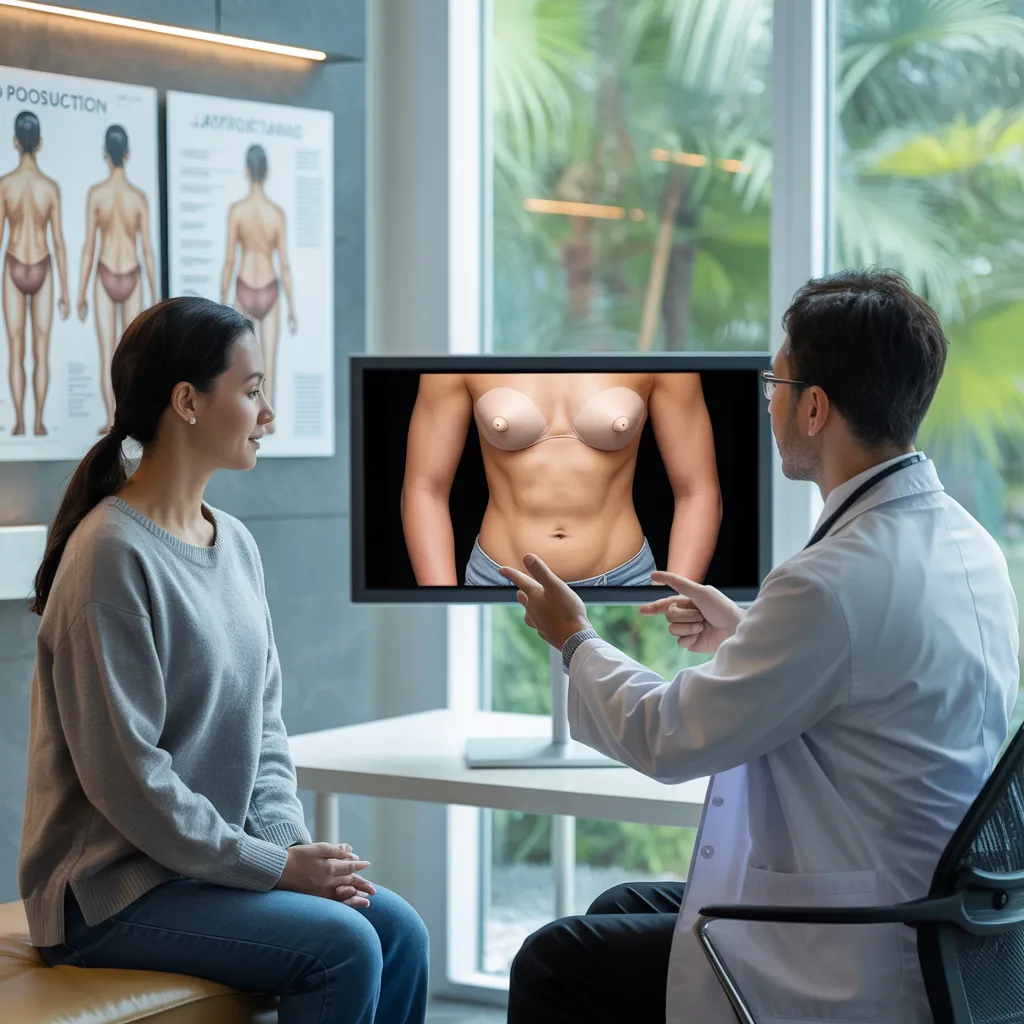
What Is Liposuction and How Is It Performed?
Liposuction surgery, a widely sought-after cosmetic procedure, targets stubborn fat deposits that do not respond to dietary changes and physical activity. This treatment involves the medical extraction of excess fat through a suction technique, making use of a specialized hollow device referred to as a cannula. The process starts with the delivery of anesthetic, guaranteeing the patient remains comfortable. After the treatment area has been identified, minimal incisions are performed, allowing the cannula to be inserted into the fatty tissue. The operating physician then maneuvers the cannula in controlled back-and-forth motions to break up the adipose cells, which are then carefully removed through suction.
Liposuction can be performed on a range of body regions, including areas like the abdomen, thighs, and arms. It is essential for candidates to have realistic expectations, as liposuction serves as a body contouring technique rather than a weight-loss solution. Healing time can vary, but the majority of patients are able to return to their normal routines within a few weeks. The results can be long-lasting if a healthy lifestyle is maintained post-procedure.
Top Benefits of Liposuction
Liposuction offers many compelling benefits that resonate with those looking to improve their physique. These advantages include enhanced body contouring, which can create a more defined silhouette, and a rise in self-esteem that commonly results from a completed treatment. Understanding these advantages enables interested individuals reach well-considered choices regarding their physical transformation process.
Enhanced Body Contouring
Transforming one's silhouette often leads individuals to contemplate the value of refined body shaping through liposuction. This procedure effectively targets stubborn fat deposits, allowing for more precise shaping of the body. By extracting surplus fat from zones like the midsection, hips, and limbs, liposuction achieves a more visually appealing physical balance. Individuals frequently value the opportunity to attain a sculpted appearance that remains hard to achieve through healthy eating and workouts solely. Additionally, liposuction can complement other cosmetic procedures, improving combined outcomes. The adaptability of liposuction allows tailoring to every patient's distinctive physique and objectives, making it a popular choice for those seeking dramatic changes in their physical appearance. The effect commonly produces a more refined body contour.
Strengthened Self-Confidence
Confidence commonly develops subsequent to meaningful physical changes, and a great number of people feel this boost after undergoing liposuction. The treatment can efficiently target and remove persistent fat deposits, resulting in a more sculpted body that matches individual beauty objectives. As people notice visible results in their figures, they commonly experience elevated confidence and an enhanced view of their appearance. This fresh sense of confidence can reach further than one's external appearance, affecting personal and professional interactions. A great number of patients feel empowered to embrace new opportunities, engage in social events, and express themselves more freely. Ultimately, the psychological benefits of liposuction can be transformative, nurturing a positive self-perception and inspiring improved daily choices. This surge of self-assurance is one of the most compelling reasons people regard liposuction as a beneficial solution.
Could You Be a Strong Candidate for Liposuction?
Determining candidacy for liposuction involves several important factors. Candidates should preferably maintain a consistent and stable body weight, be free from serious health concerns that could increase procedural risks, and hold well-informed and reasonable expectations concerning the results of the procedure. Reviewing these key factors allows prospective patients to determine whether liposuction is the right choice for their needs.
Perfect Body Weight Range
The ideal body weight range plays an important role in determining eligibility for liposuction. Prospective patients are generally recommended to be within 30% of their ideal weight, as this indicates a stable weight and realistic expectations for fat removal. Liposuction is not designed to serve as a weight-loss solution; rather, it is designed to contour specific areas of the body. Individuals who are greatly overweight or underweight may face challenges in achieving optimal results. Moreover, people who fall within a healthy weight range tend to benefit from improved skin elasticity, which may improve the final results. At the end of the day, staying within the ideal weight range is essential for securing both the safety and efficacy of the liposuction treatment, leading to a more rewarding transformation.
Health Factors and Risks
Many individuals considering liposuction may wonder about their candidacy based on various health considerations and associated risks. The best candidates are generally within 30% of their desired body weight and have firm skin with excellent elasticity. Individuals with underlying health issues, such as heart disease, diabetes, or compromised immune systems, may face elevated risks during the procedure. Cigarette smoking may also delay healing and amplify potential complications. Furthermore, prospective patients should maintain realistic expectations about results and demonstrate emotional stability. A thorough discussion with a certified surgeon is vital for reviewing overall health and confirming eligibility. Being aware of these considerations enables individuals to reach educated decisions, verifying that liposuction is consistent with their health profile and aesthetic aspirations.
Practical Expectations Are Necessary
Candidates for liposuction need to have realistic expectations about the outcomes of the treatment. One must understand that liposuction is not a solution for weight loss but a body shaping technique intended to address specific areas of fat. Suitable candidates should be near their target weight and have good skin elasticity. Individuals with existing health issues or impractical expectations may fail to benefit fully from the procedure. Additionally, while liposuction is effective at enhancing body shape, it is unable to treat concerns such as cellulite or sagging skin. Being aware of the boundaries of what liposuction is able to accomplish is vital for patient satisfaction. A comprehensive consultation with a qualified surgeon will help individuals assess their candidacy and define attainable objectives for their expected results.
How Does the Liposuction Process Work?
Liposuction is a surgical procedure designed to remove excess fat deposits from specific areas of the body, improving the overall contour and appearance. The process typically begins with the administration of anesthesia, guaranteeing the patient's comfort throughout the procedure. A tiny incision is performed in the treatment area, through which a slender tube known as a cannula is introduced.
The surgeon then uses the cannula to remove fat cells, effectively sculpting the desired contours. Several techniques, such as the tumescent liposuction method, make use of a saline solution to promote fat removal while minimizing bleeding. The procedure can be performed on multiple regions, including the abdomen, arms, and thighs, depending on the patient's goals.
After the fat has been removed, the incision gets closed, and the area is often bandaged to promote healing. The entire procedure generally takes from one to several hours, depending on the amount of treatment needed.
What to Expect During Recovery: A Guide After Liposuction Surgery
Recuperation from liposuction surgery is a crucial phase that determines the overall effectiveness of the operation. Post-surgery, patients commonly experience bruising, swelling, and soreness in the areas that were treated. These reactions are common and generally resolve within several weeks. Most patients are recommended to wear compression clothing to promote healing and reduce swelling.
Throughout the early recovery phase, it is essential to rest and limit physical activity. Patients are often encouraged to walk lightly to promote circulation but should avoid strenuous exercises for at least a few weeks. Medications for pain relief may be recommended to address discomfort.
Follow-up visits with dive in the surgical team are vital for tracking recovery and confirming appropriate healing. As recuperation continues, individuals may start to observe the outcomes of their surgery, with complete results usually becoming evident within several months. Adopting a healthy lifestyle following recovery can support the longevity of results obtained through liposuction.
Important Risks and Critical Considerations for Liposuction
Since liposuction remains a commonly performed aesthetic treatment, it is critical to be informed about the potential hazards and important aspects involved. Individuals may face adverse effects such as infections, blood clots, or anesthesia-related issues. Furthermore, asymmetrical results or surface inconsistencies may develop, compromising the desired cosmetic results.
It is essential for individuals to have realistic expectations regarding the end results and recognize that liposuction is not a solution for weight loss. Candidates should be in excellent overall health and have a stable weight before proceeding with the treatment. Meeting with a qualified and skilled surgeon is critical to evaluate individual suitability and to address any underlying medical conditions that could heighten risks.
In addition, understanding the economic factors, including potential hidden costs and the necessity for additional treatments, is crucial for informed decision-making. All things considered, comprehensive research and proper preparation can aid in minimizing concerns related to liposuction.
Taking Care of Yourself After Liposuction
Post-operative care is essential for achieving ideal results after liposuction. It is recommended that patients wear compression garments to help minimize swelling and promote healing. These garments are to be worn according to medical guidance, usually for a period of several weeks. Staying well-hydrated and maintaining a balanced diet can assist in recovery, boosting skin elasticity and overall health.
Recovery is crucial in the first few days following the operation. Individuals should refrain from strenuous activities and heavy physical exertion for at least a few weeks to minimize the risk of complications. Addressing pain can be managed with doctor-prescribed medications, but any pain that is unusual or severe should be brought to the attention of a healthcare provider.
In addition, maintaining cleanliness at the surgical sites and observing for symptoms of infection, such as heightened redness or abnormal discharge, is of utmost importance. Post-operative consultations with the surgeon are necessary to assess healing and address any concerns. By observing these directives, patients can improve their healing process and attain the expected results.
Frequently Asked Questions
How Much Does Liposuction Typically Cost?
Liposuction typically costs between $2,000 and $10,000, based on factors such as the treatment area, surgeon's expertise, and the geographic location of the procedure. Extra costs can include anesthesia fees, surgical facility costs, and aftercare considerations.
Do Liposuction Results Last Forever?
The results of liposuction can be long-lasting; however, permanence is not guaranteed. Natural aging, lifestyle decisions, and weight fluctuations can impact the results, requiring ongoing commitment to diet and exercise to maintain optimal results.
Can Liposuction Treat Cellulite or Sagging Skin
Liposuction does not effectively treat cellulite or sagging skin, given that its primary focus is on eliminating unwanted fat. To address these issues, individuals may want to explore other treatment options such as skin firming treatments or specialized cellulite therapies in order to obtain improved results.
What Type of Anesthesia Is Used During Liposuction?
Liposuction generally makes use of local anesthesia, which targets and numbs specific regions, or general anesthesia, which renders the patient fully unconscious. The selection is based on the scope of the procedure and the patient's individual preferences, guaranteeing comfort during the entire operation.
How Soon Can I Return to Work After Liposuction?
Typically, individuals can go back to work within one week after undergoing liposuction, based on the scope of the treatment and their individual healing process. Light activities may resume sooner, while physically intensive duties may necessitate a longer healing period.