Home Paternity Test: Reliable Relationship Testing for Families
The Growth of At-Home Paternity Testing: Reliability, Discretion, and Accessibility
The increasing prevalence of home paternity tests represents a considerable shift in how people approach the verification of parentage. With precision levels often exceeding 99%, these assessments offer a practical method for collecting DNA samples. However, persistent privacy concerns about personal genetic information are still widespread. As a growing number of families consider these tests, they must carefully assess the consequences of privacy, accuracy, and emotional impact. Which considerations should guide them in their decision-making process?
How Do At-Home Paternity Tests Work?
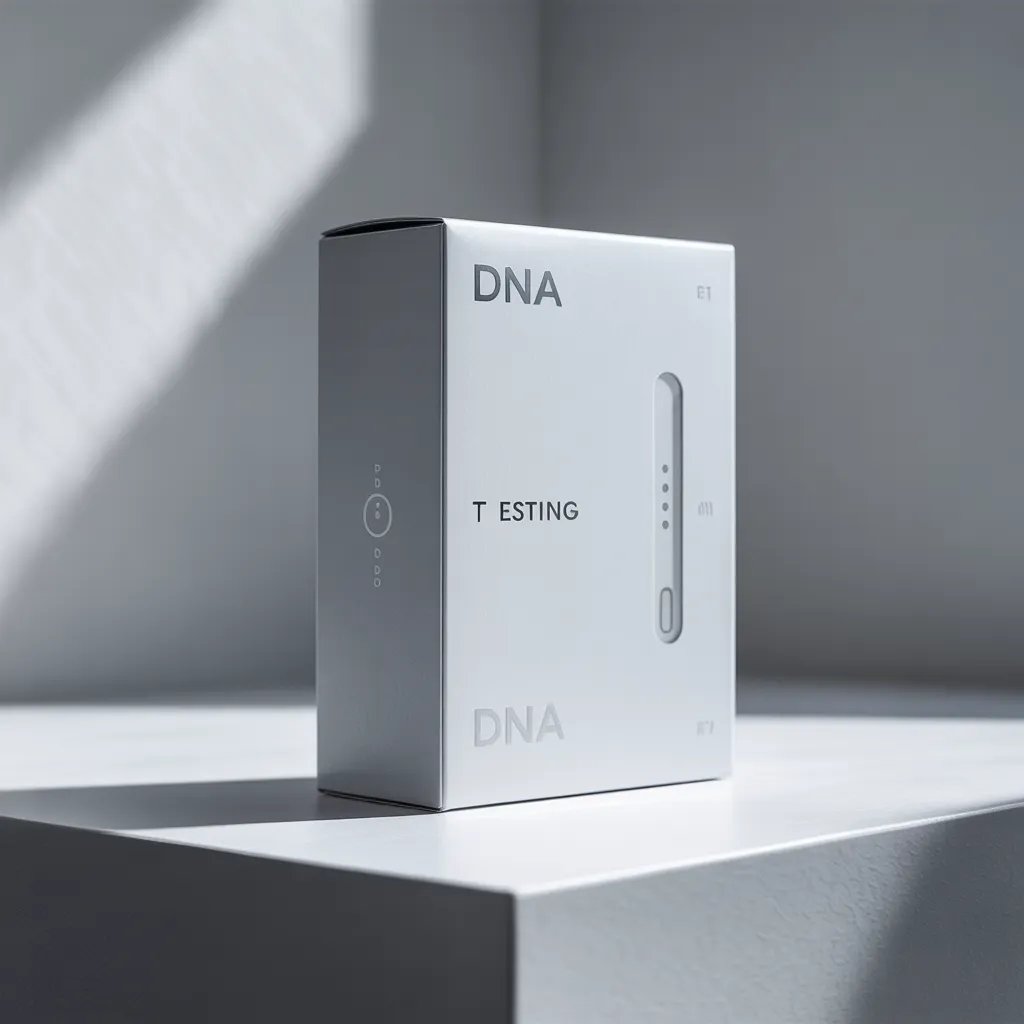
Home paternity tests typically function through a straightforward process that involves gathering DNA specimens. Individuals receive a testing kit equipped with swabs intended for cheek cell collection, generally from the alleged father and the child in question. Individuals are directed to carefully swab the interior of their cheeks to gather sufficient DNA material. Once the specimens have been gathered, they are placed in designated containers and sent to a laboratory for analysis.
In the lab, the DNA is collected and examined to determine distinct genetic characteristics. The examination contrasts the DNA samples of the child and the alleged father to establish biological parentage. Results are usually available within a few days, and the process is designed to be user-friendly, guaranteeing little inconvenience. The convenience of home testing appeals to many, enabling people to find results in the comfort of their personal space. This method emphasizes the assessment's rising demand as a trustworthy solution for paternity verification.
How Accurate Are Home Paternity Tests?
How reliable are home paternity tests when it comes to determining biological relationships? Generally, these tests claim to offer a high accuracy rate, often exceeding 99% when conducted correctly. They analyze DNA samples from the alleged father, child, and sometimes the mother, comparing genetic markers to establish a relationship. That said, the precision of these tests can be compromised by issues like sample contamination or inadequate handling practices.
The majority of home tests employ advanced techniques akin to those found in professional labs, yet they may fall short of the strict quality control characteristic of professional testing. Moreover, results can fluctuate between various brands and products, emphasizing the importance of identifying a trusted supplier. While home paternity tests can offer a reliable sign of biological ties, individuals should proceed carefully, considering that serious legal and personal consequences may arise from the findings. In the end, for total assurance, working with a professional testing facility is recommended.
What Privacy Concerns Should You Know About?
Whereas home paternity tests present a convenient way to establish genetic connections, they simultaneously present serious privacy issues. The collection and handling of genetic material, typically collected as cheek swabs or saliva samples, has the potential to cause improper access or misappropriation. A large number of firms do not assure the privacy of provided specimens, leaving individuals vulnerable to privacy violations.
Additionally, the findings may be distributed to third parties without explicit consent, heightening concerns of social stigma or prejudice. Users may also be not fully aware of how their genetic information will be stored or potentially utilized for research objectives.
Additionally, the emotional implications connected to unexpected results can create additional challenges within the privacy framework. In summary, while these tests provide simplicity and widespread availability, the absence of strict regulatory oversight and transparency in data handling raises serious questions about personal rights regarding data privacy and autonomy over their personal genetic data.
How Do Test Results Affect Emotions?
The emotional fallout from paternity test results can be deep and wide-ranging. Individuals may experience a whirlwind of emotions, ranging from happiness and relief to feelings of betrayal and anger. For many people, a positive match can confirm deeply held convictions, fostering a feeling of belonging and stability. On the other hand, a negative result may lead to feelings of doubt, confusion, and heartbreak, particularly if a family relationship is called into question.
These emotions can extend beyond the individual to impact relationships within families. Parents may grapple with fear and guilt concerning what this means for their children, while siblings could encounter alterations in their understanding of family structure. Moreover, societal stigma may intensify these emotions, as individuals cope with societal norms around parentage. At the core of it all, the psychological impact of paternity testing outcomes differs considerably, underscoring the intricate relationship between identity, trust, and emotional well-being.
Important Factors to Consider When Choosing a Home Paternity Test
Navigating the complex report emotions after paternity test results frequently causes people to consider their options thoughtfully, particularly when choosing a home paternity test. Multiple essential factors deserve attention to secure a dependable and favorable outcome.
First, accuracy is paramount; users should pursue tests that demonstrate strong sensitivity and specificity ratings. Furthermore, simplicity of use is fundamental; a straightforward collection process can alleviate stress. Data protection is also a critical factor; reputable companies should guarantee secure handling of personal data and results.
Cost is also a factor; those considering the service should measure the fee against the test's legitimacy and available support. In addition, client feedback and testimonials offer valuable perspectives from previous users, offering guidance in maneuvering through options. By evaluating these factors, individuals can make informed choices that align with their needs and expectations.
Common Questions and Answers
Can Home Paternity Tests Be Used as Legal Evidence in Court?
Home paternity tests are generally unable to be used as legal evidence in court due to concerns about accuracy and the lack of standardized procedures. Courts typically require testing performed by accredited laboratories to serve as valid legal evidence in paternity disputes.
What Is the Turnaround Time for Home Paternity Test Results?
Home paternity test results typically take anywhere from three to five days to be processed. A number of companies provide expedited services, shortening the processing time to as little as 24 hours, depending on the specific testing method used.
Is Retesting an Option if I'm Uncertain About My Results?
Indeed, people can take the test again if uncertain about their results. It is best to wait a short period before testing again to confirm precise outcomes. Seeking professional advice can also provide guidance on the most appropriate course of action.
What Samples Do You Need for Home Paternity Tests?
At-home paternity tests usually call for cheek swabs from both the child and the presumed father, although certain kits can also accommodate blood samples. Proper collection and handling of these samples are essential for accurate results.
Are There Age-Related Limitations for Children's Testing?
Generally speaking, there are no strict age restrictions for conducting home paternity tests on children. That said, acquiring approval from a legal guardian is usually mandatory, guaranteeing that the child's rights and personal privacy are honored throughout the procedure.