Leading Experts in Liposuction Malaysia
A Guide to Liposuction: Pricing, Advantages, and Body Sculpting Information for Efficient Body Fat Reduction Solutions
Liposuction is a widely recognized surgical technique developed to address concentrated fat deposits. It can reshape specific areas, improving the overall shape of the body. Although the advantages are attractive, prospective patients should thoroughly evaluate the related expenses and risks. Being informed about these elements is crucial for anyone considering this treatment. What factors contribute to the varied costs, and how can individuals ensure optimal outcomes? Examining these concerns is key to making a well-informed choice.
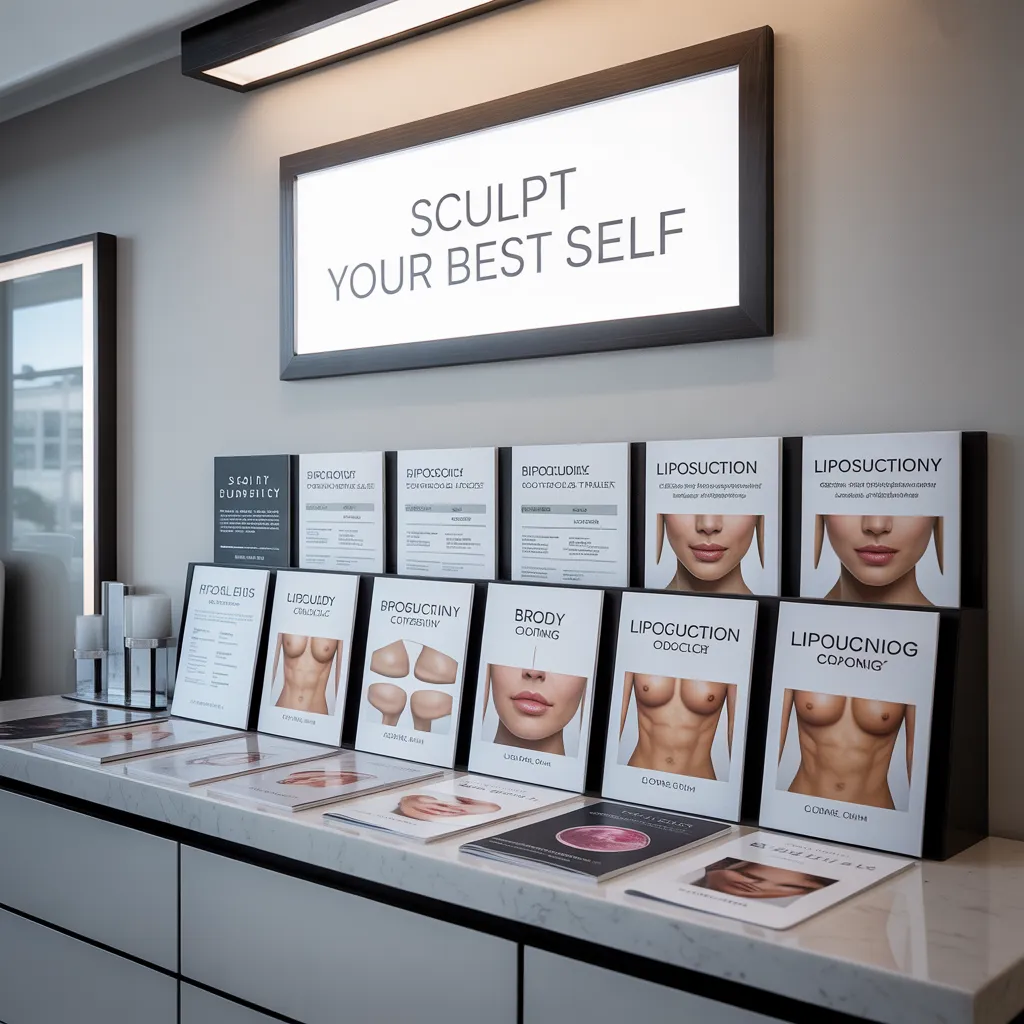
What Is Liposuction and How Is It Performed?
Liposuction, a popular cosmetic procedure, is designed to remove stubborn fat deposits from various areas discover more of the body. This surgical technique involves the use of a cannula, a thin tube inserted through small incisions in the skin. The surgeon uses suction to extract excess fat, targeting areas such as the abdomen, thighs, buttocks, and arms.
Liposuction is conducted with either local or general anesthesia, according to the complexity of the treatment. A range of techniques, such as tumescent and ultrasound-assisted liposuction, optimize fat extraction and limit disruption to surrounding tissues. While not a weight-loss solution, the surgery is designed to contour the body by enhancing its shape and balance. Recovery durations can vary, with patients often experiencing swelling and bruising post-operation. A thorough consultation with a qualified surgeon is essential to address expectations, potential risks, and candidacy for the procedure.
Liposuction: Primary Benefits for Body Reshaping
Many individuals seeking body contouring discover that liposuction provides substantial advantages beyond simply removing fat. This cosmetic procedure effectively targets stubborn fat deposits that resist diet and exercise, allowing for a more sculpted physique. Through the improvement of body contours, liposuction is able to enhance overall body proportions, leading to increased self-confidence and satisfaction with one's appearance.
Moreover, liposuction can create a more refreshed look by reducing excess fat in areas such as the thighs, abdomen, and arms. Its minimally invasive approach minimizes recovery time compared to more extensive surgical options, making it an appealing solution for those seeking improvement.
Moreover, liposuction may be conducted in conjunction with complementary surgeries, such as breast lifts or tummy tucks, to reach extensive body transformation. Overall, the primary merits of liposuction reach past fat elimination, offering individuals a individualized approach to attaining their intended body shaping aspirations.
How Much Does Liposuction Cost?
Understanding the financial aspects of liposuction is essential for potential patients contemplating this body reshaping option. The average procedure costs can change substantially based on considerations including the area being treated, the surgeon's expertise, and geographic location. By reviewing these pricing factors, people can arrive at more educated choices about their treatment options.
Average Procedure Costs
The general cost of liposuction may vary substantially according to various factors, such as the treatment area, the surgeon's level of expertise, and the geographic region of the clinic. Typically, prices can range from $3,000 to $10,000 per session. Smaller treatment areas, like the chin or arms, tend to involve lower expenses, while larger areas, like the abdomen or thighs, can lead to higher expenses. Additionally, the reputation and qualifications of the surgeon can influence pricing, as more experienced professionals may charge premium rates. It is important for those considering the procedure to research carefully and request several quotes so as to fully comprehend the costs associated with the procedure. In general, planning a budget for the procedure should include consideration of extra expenses, such as anesthesia and facility fees.
Factors Influencing Pricing
Several factors considerably influence the pricing of liposuction, making it critical for prospective patients to be aware of these variables. The surgeon's qualifications and reputation play an important role; board-certified surgeons usually charge higher rates owing to their proficiency. Geographic location also affects costs, with urban centers generally having higher fees than rural areas. The specific technique used, such as laser-assisted or tumescent liposuction, can affect the overall cost. Moreover, the complexity of the surgery, including the quantity of treatment zones and amount of fat extracted, contributes to overall costs. Lastly, operating room charges, anesthesia expenses, and aftercare should be factored in, as they can substantially add to the overall cost associated with liposuction.
Which Factors Shape Liposuction Results?
As many people pursue liposuction for its potential to create a more sculpted physique, a number of important considerations can substantially affect the success of the surgery. A fundamental factor to evaluate is the patient's body composition and fat distribution patterns. Genetics often dictate where fat is stored, impacting the results of liposuction. Furthermore, the expertise and professional background of the surgeon are critically important; a qualified professional can achieve more aesthetically pleasing results.
A patient's overall health, such as skin elasticity and overall wellness, plays a role in determining recovery and the final appearance. Age may play a significant role, as younger skin typically has better elasticity, which results in smoother outcomes. Additionally, aftercare following the procedure, including adherence to guidelines and lifestyle choices, can greatly influence the longevity of results. At the core of it, a combination of these elements shapes the overall success of liposuction, which is why it is crucial for patients to consult thoroughly with their surgeons and maintain realistic expectations.
Key Steps to Get Ready for Liposuction
Planning for liposuction involves several critical steps that can considerably influence the results. Speaking with the surgeon is essential to discuss any concerns and comprehend the limitations of the procedure. Moreover, enhancing your general health before surgery can boost recovery and overall results.
Speak With Your Surgeon
How does one secure a positive liposuction outcome? One fundamental measure is seeking a consultation with a skilled surgeon. Throughout this meeting, prospective patients ought to share their medical background, daily habits, and cosmetic objectives. This conversation enables the surgeon to evaluate the patient's candidacy for the treatment. Inquiries regarding methods, healing duration, and possible complications should be raised to establish a thorough comprehension of the procedure.
Additionally, patients should discuss expected results and any reservations they wish to raise. An in-depth assessment, involving physical measurements and photos, may be performed to tailor the approach. This joint endeavor builds confidence and helps ascertain that patient and surgeon are in agreement on desired outcomes, thereby enhancing the chances of a successful result.
Recognize Procedure Limitations
Recognizing the limitations of liposuction is vital for anyone contemplating the procedure, as it sets realistic expectations and helps in making informed decisions. Liposuction is not a remedy for weight loss but rather a body shaping technique focused on eliminating concentrated fat deposits. It cannot address issues such as loose skin, cellulite, or overall obesity. Additionally, results can vary based on individual factors, including age, skin elasticity, and metabolism. Patients must also stay informed about the risk of complications, such as infection or asymmetrical contours. In the end, comprehending these limitations enables individuals to view the procedure with a well-rounded outlook, acknowledging that liposuction is one element of a comprehensive strategy for attaining desired body aesthetics.
Enhance Your Health Before Surgery
What measures can people follow to improve their health prior to liposuction? Getting ready for this surgery requires a number of important steps. To begin with, keeping a consistent weight for a minimum of six months can improve results and minimize complications. A wholesome diet packed with essential nutrients sustains overall wellness and supports the healing process. Routine exercise not only boosts heart health but also assists in attaining a firmer and more toned body. Additionally, avoiding smoking and limiting alcohol consumption are important, as these habits can impede healing. Consulting with a healthcare provider to discuss medical history and current medications is crucial for personalized advice. Finally, staying hydrated and managing stress through relaxation techniques can further promote physical readiness for surgery.
What to Anticipate for Post-Liposuction Care
Post-liposuction care is essential for ensuring ideal recovery and results. Following the procedure, patients can expect to experience swelling, bruising, and discomfort in the treated areas. A key component of post-operative care is wearing a compression garment, which assists in decreasing swelling and facilitating proper healing.
Patients must comply with the instructions provided by their surgeon concerning activity levels, usually steering clear of vigorous exercise for a number of weeks. Proper hydration and a nutritious diet are essential for the recovery process, because they encourage recovery and contribute to overall wellness.
It is essential to attend follow-up appointments to monitor the healing process and address any concerns. Managing pain may require prescribed medications or over-the-counter options, as advised by the surgeon.
In conclusion, patience is key, as the ultimate results may take a few months to fully emerge. By implementing these instructions, patients can optimize their recovery and achieve the desired body contouring outcomes.
What Are the Potential Risks of Liposuction?
How safe is liposuction? Although it is widely considered a safe treatment, liposuction does carry potential risks. Common complications include infection, which can occur if surgical sites are not properly cared for, and significant blood loss, resulting in hematomas. Moreover, asymmetrical results may occur as a consequence of improper fat removal, making supplementary corrective treatments necessary.
Patients may also experience fluid buildup, referred to as seromas, which might necessitate drainage. Additional serious risks involve reactions to anesthesia, blood clots, and damage to surrounding tissues or organs. In rare circumstances, fat embolism—a critical condition where fat infiltrates the bloodstream—can take place.
It is crucial for patients exploring liposuction to speak with experienced professionals to explore these risks in detail. Understanding personal health factors and selecting an experienced surgeon can considerably lower the chances of complications and promote greater safety during the process.
Common Questions and Answers
Can Liposuction Be Performed on Any Body Part?
Liposuction treatment can be performed on various body parts, including the thighs, abdomen, chin, and arms. Nonetheless, the suitability for each body part is determined by personal factors, including personal body type and individual goals.
How Long Does Liposuction Results Generally Last?
The results of liposuction commonly endure for a number of years, especially with a stable weight. Nevertheless, elements including lifestyle decisions, the aging process, and hormonal fluctuations may affect how long the results last, potentially requiring additional procedures over time.
Is Liposuction a Safe Option for Every Body Type?
Liposuction is generally safe for various body types, but individual factors such as health status, skin elasticity, and fat distribution play vital roles. Seeking counsel from a certified surgeon provides customized recommendations based on each patient's unique situation.
Does Liposuction Aid in Cellulite Reduction?
Liposuction is not primarily designed for cellulite reduction. While it can improve body contours, its results on cellulite differ significantly. Patients frequently pursue additional treatments that specifically target cellulite for more visible improvements in skin texture.
What Is the Best Age to Undergo Liposuction?
The most suitable age for pursuing liposuction typically ranges from the late twenties to the early forties. Candidates should possess consistent body weight, healthy skin elasticity, and realistic expectations to ensure the most favorable results and minimize potential complications.