Liposuction Malaysia for Full Body Contouring
Understanding Liposuction: Costs, Benefits, and Body Contouring Insights for Effective Fat Removal Treatment
Liposuction is a popular surgical method developed to address concentrated fat deposits. It can reshape specific areas, improving the overall shape of the body. While the benefits are appealing, potential candidates should carefully consider the associated costs and risks. Understanding these aspects is vital for anyone contemplating the procedure. What elements influence the differing price ranges, and how can individuals ensure optimal outcomes? Examining these concerns is key to making a well-informed choice.
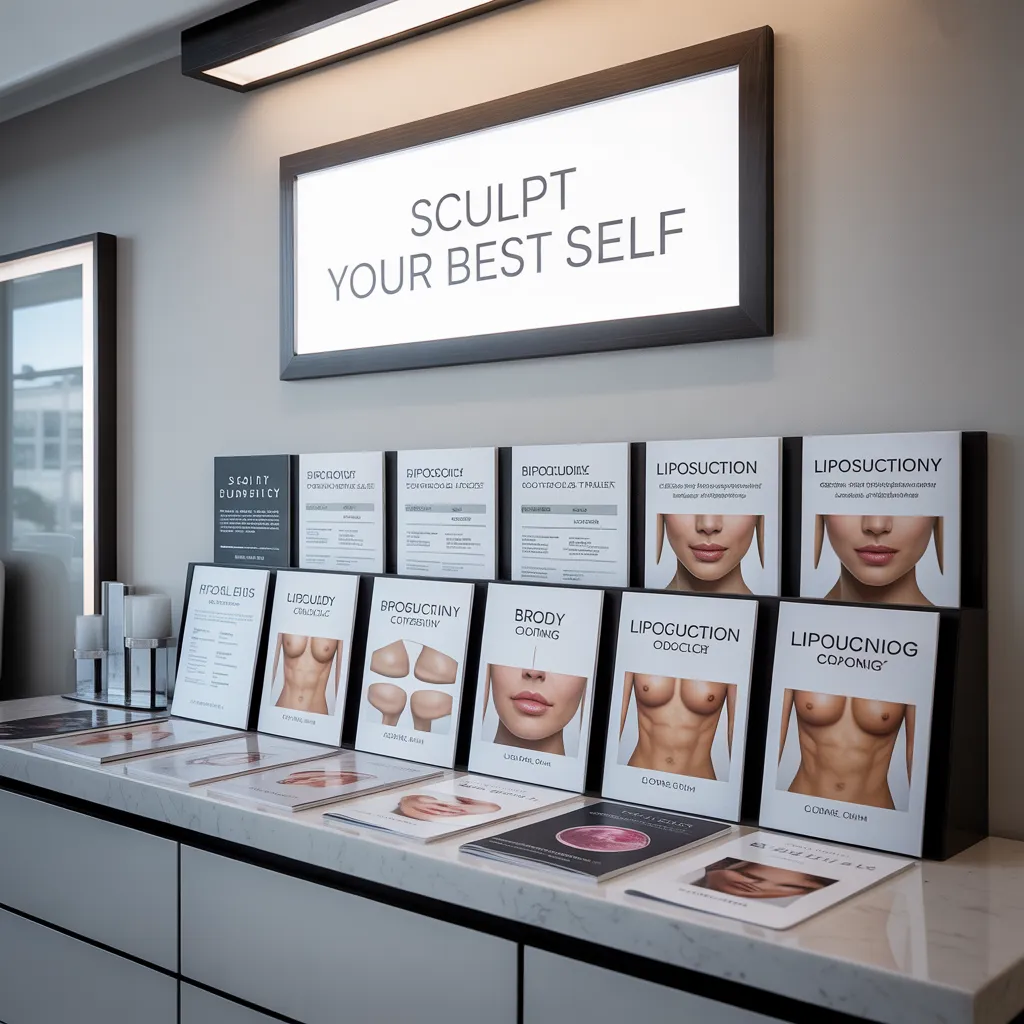
What Is Liposuction and How Is It Performed?
Liposuction, a commonly performed cosmetic surgery, is aimed at removing unwanted fat deposits from multiple regions of the body. This operative procedure employs a cannula, a narrow tube placed through minor incisions in the skin. The surgeon applies suction to remove unwanted fat, focusing on areas including the abdomen, thighs, buttocks, and arms.
Liposuction may be carried out under local or general anesthesia, depending on the extent of the procedure. Several methods, including tumescent and ultrasound-assisted liposuction, optimize fat extraction and limit disruption to surrounding tissues. As it is not a weight-loss procedure, the surgery is designed to contour the body by enhancing its shape and balance. Healing periods differ, with patients often experiencing swelling and bruising post-operation. A comprehensive discussion with a qualified surgeon is vital to evaluate expectations, risks, and eligibility for the treatment.
Liposuction: Key Benefits for Body Contouring
Many individuals seeking body contouring find that liposuction offers significant benefits beyond mere fat removal. This cosmetic procedure effectively targets stubborn fat deposits that resist diet and exercise, resulting in a linked article more refined and contoured physique. By enhancing body contours, liposuction can improve overall proportions, contributing to enhanced self-confidence and a deeper satisfaction with one's physical appearance.
In addition, liposuction can provide a more rejuvenated look by eliminating excess fat in areas such as the arms, abdomen, and thighs. Being a minimally invasive procedure shortens recovery time when compared to more invasive surgical alternatives, making it an attractive choice for numerous patients.
Additionally, liposuction can be completed in tandem with additional treatments, such as breast lifts or tummy tucks, to achieve extensive body enhancement. Ultimately, the core benefits of liposuction surpass fat removal, providing individuals a customized approach to achieving their intended body shaping aspirations.
How Much Will Liposuction Cost You?
Grasping the price of liposuction is important for individuals exploring this body contouring option. The standard treatment costs can fluctuate greatly based on factors such as the targeted area, the experience of the surgeon, and geographical location. By examining these pricing influences, prospective patients can arrive at more educated choices with respect to their available options.
Common Procedure Fees
The average cost of liposuction can vary considerably based on several factors, including the targeted area, the surgeon's level of expertise, and the geographical location of the procedure. Typically, prices can range from $3,000 to $10,000 per session. Smaller areas, such as the chin or arms, may incur lower costs, while larger areas, like the abdomen or thighs, can lead to higher expenses. Furthermore, the surgeon's credentials and reputation may affect the overall cost, since highly experienced practitioners often command higher fees. It is essential for potential patients to conduct thorough research and obtain multiple quotes to understand the financial commitment involved. In general, planning a budget for the procedure should include consideration of extra expenses, such as anesthesia and facility fees.
Key Factors That Impact Pricing
A number of factors significantly affect the pricing of liposuction, making it essential for prospective patients to be aware of these variables. The surgeon's experience and reputation play a crucial role; board-certified plastic surgeons typically charge more due to their expertise. Location also plays a role in pricing, with urban centers generally having higher fees than rural areas. The type of procedure performed, such as laser-assisted or tumescent liposuction, can impact pricing as well. Moreover, the complexity of the surgery, including the number of areas treated and the volume of fat removed, adds to the total expense. In addition, facility fees, anesthesia costs, and post-operative care should be considered, as they can greatly increase the total expenditure associated with liposuction.
What Factors Influence Liposuction Results?
While many individuals seek out liposuction for its promise of a more contoured body, several key factors can significantly impact the results of the treatment. One of the most important aspects to consider is the person's body type and the way fat is distributed. Genetic factors frequently determine where fat accumulates in the body, directly influencing liposuction outcomes. Moreover, the surgeon's level of proficiency and hands-on experience serve as essential determining factors; an experienced specialist is capable of delivering superior and more refined outcomes.
Patient health status, such as overall wellness and skin elasticity, also affects recovery and the final appearance. Age may play a significant role, as younger skin tends to have greater elasticity, which results in smoother outcomes. Furthermore, post-operative care, such as following medical guidelines and making healthy lifestyle choices, can greatly influence how long-lasting the results are. In the end, a combination of these elements influences how effective liposuction will be, which is why it is crucial for patients to have realistic expectations and engage in thorough consultations with their surgeons.
Essential Steps to Prepare for Liposuction
Planning for liposuction involves several critical steps that can considerably influence the final results. Consulting with the surgeon is vital to resolve any questions and comprehend the limitations of the procedure. Moreover, optimizing overall health before surgery can improve recovery and outcomes.
Meet With Your Surgeon
How can one guarantee a successful liposuction journey? One fundamental measure is seeking a consultation with a skilled surgeon. During this consultation, potential patients should discuss their medical history, lifestyle, and aesthetic goals. Such a discussion gives the surgeon the opportunity to determine whether the individual is an appropriate candidate for the surgery. Inquiries regarding methods, healing duration, and possible complications should be raised to establish a thorough comprehension of the procedure.
Moreover, patients ought to communicate expected results and any questions or worries they may have. A comprehensive evaluation, involving physical measurements and photos, may be conducted to customize the treatment plan. This cooperative process builds confidence and helps ascertain that both patient and surgeon align on objectives, thereby enhancing the chances of a successful result.
Know Procedure Limitations
Grasping the limitations of liposuction is crucial for anyone thinking about the procedure, as it creates realistic expectations and assists in making educated decisions. Liposuction is not a method for losing weight but instead a body sculpting approach designed to eliminate targeted fat deposits. It is unable to resolve concerns such as sagging skin, cellulite, or generalized obesity. Moreover, results may fluctuate according to individual characteristics, including age, skin tone, and metabolism. Patients should also be aware of the potential for complications, such as infection or uneven contours. In the end, comprehending these limitations enables individuals to view the procedure with a well-rounded outlook, acknowledging that liposuction is one element of a comprehensive strategy for attaining desired body aesthetics.
Optimize Health Before Surgery
What steps can individuals take to optimize their health before undergoing liposuction? Planning for this operation encompasses several key considerations. First, maintaining a stable weight for at least six months can enhance outcomes and reduce complications. A nutritious and well-rounded diet promotes general health and facilitates recovery. Routine exercise not only boosts heart health but also assists in attaining a firmer and more toned body. Moreover, abstaining from smoking and minimizing alcohol use are critical, as these habits may interfere with proper healing. Seeking advice from a qualified healthcare provider regarding medical background and current prescriptions is essential for individualized recommendations. Lastly, keeping well-hydrated and controlling stress with calming practices can additionally support the body's preparedness for the procedure.
What to Anticipate for Post-Liposuction Care
Post-liposuction aftercare plays a critical role in ensuring the best possible recovery and results. After the procedure, patients should anticipate swelling, bruising, and discomfort in the affected areas. A key component of post-operative care is wearing a compression garment, which assists in decreasing swelling and facilitating proper healing.
Patients should adhere to their surgeon's guidelines regarding activity levels, typically avoiding strenuous exercise for several weeks. Staying hydrated and maintaining a well-balanced diet are critical to recovery, because they encourage recovery and contribute to overall wellness.
It is crucial to attend follow-up appointments to monitor the healing process and address any concerns. The management of pain may encompass prescribed drugs or non-prescription alternatives, as suggested by the surgeon.
Lastly, patience is essential, as the ultimate results may take a few months to fully emerge. By adhering to these recommendations, patients can improve their recovery process and accomplish the desired body contouring objectives.
What Are the Potential Risks of Liposuction?
How safe is liposuction? Though it is broadly recognized as a safe option, liposuction does carry potential risks. Frequent complications may involve infection, which can occur if surgical sites are not properly cared for, and substantial hemorrhaging, which can cause hematomas. Moreover, irregular body contours can develop due to uneven fat extraction, requiring further corrective interventions.
Patients might also develop fluid accumulation, known as seromas, which might necessitate drainage. More serious risks include adverse reactions to anesthesia, blood clots, and harm to surrounding tissues or organs. In rare circumstances, fat embolism—a critical condition where fat infiltrates the bloodstream—can take place.
It is essential for patients exploring liposuction to consult with qualified professionals to carefully review these potential risks. Recognizing individual health considerations and selecting an experienced surgeon can considerably lower the chances of complications and enhance overall safety during the procedure.
Frequently Asked Questions
Is Liposuction Possible on Any Area of the Body?
Liposuction surgery may be carried out on various body parts, such as the thighs, abdomen, chin, and arms. However, the appropriateness for each specific area is determined by personal factors, like personal body type and individual goals.
How Long Does Liposuction Results Generally Last?
The results of liposuction commonly endure for a number of years, most notably when a consistent weight is maintained. However, factors such as lifestyle choices, aging, and hormonal changes can influence the longevity of the results, potentially requiring additional procedures over time.
Is Liposuction Safe for All Body Types?
Liposuction is broadly regarded as safe for different body types, but personal factors including health condition, skin elasticity, and fat distribution are critically important. Consulting with a qualified surgeon guarantees tailored advice for each person's unique circumstances.
Can Liposuction Help With Cellulite Reduction?
Liposuction is not primarily designed for cellulite reduction. Although it can enhance body contours, its results on cellulite differ significantly. Patients often seek additional treatments specifically targeting cellulite for more noticeable results in skin texture.
At What Age Should You Consider Liposuction?
The ideal age for pursuing liposuction typically ranges from one's late twenties through early forties. Prospective patients should demonstrate consistent body weight, strong skin elasticity, and practical expectations to ensure the most favorable results and minimize potential complications.