Order a Sibling DNA Test for Family Confirmation
Exploring Family Mysteries: The Importance of At-Home Paternity Testing
Home paternity tests have become a popular tool for people looking to gain insight into their family relationships. Such tests provide a discreet way to confront doubts surrounding parenthood. However, the results can bring unexpected emotional challenges. When individuals encounter concealed realities, they frequently must navigate difficult choices regarding their connections. Understanding the implications of these tests is essential. The events that follow could fundamentally alter the structure of their familial relationships.
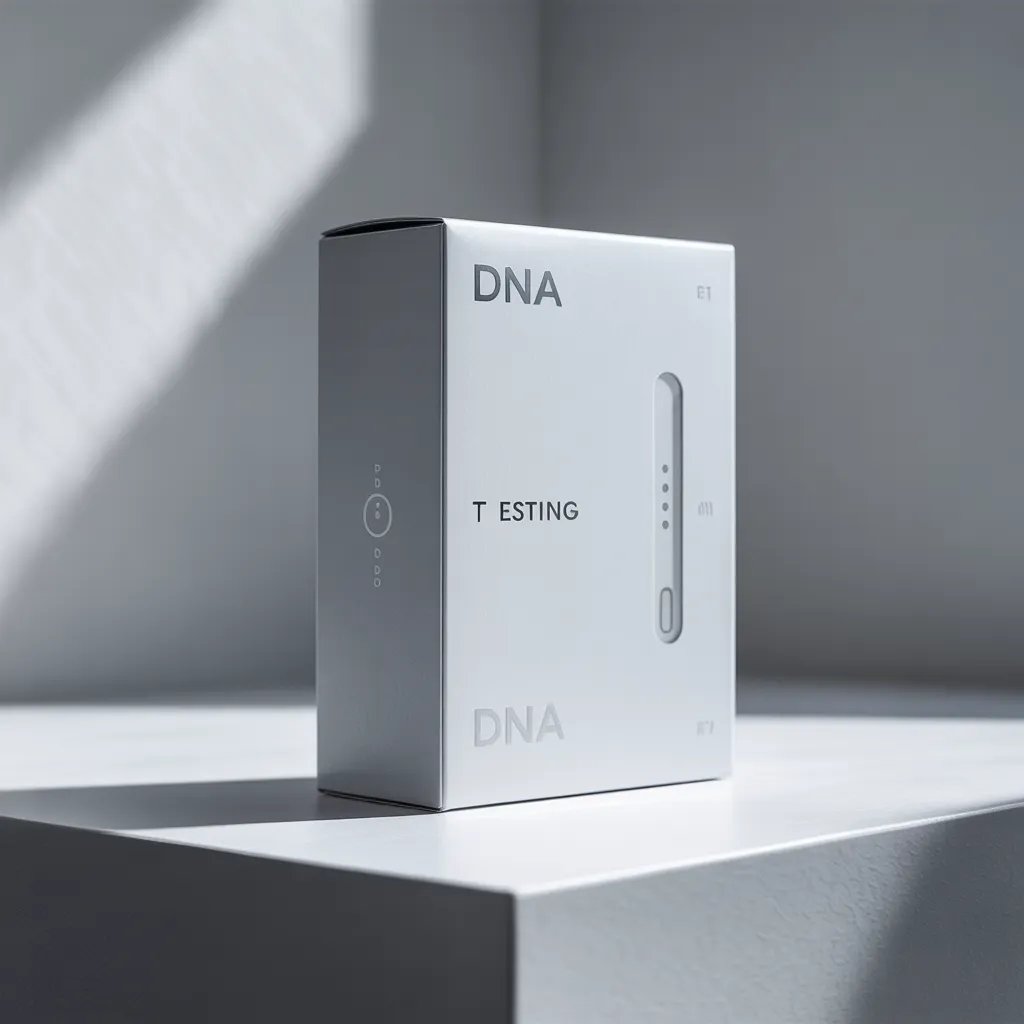
What Drives People to Choose Home Paternity Testing?
What drives people to increasingly pursue home paternity testing? Many people are driven by a desire for certainty regarding parental identity. The ease of access and reasonable pricing of these tests have turned them into popular solutions for individuals facing doubts or family disagreements. Moreover, the convenience of conducting these tests at home, away from the scrutiny of medical facilities, offers a sense of privacy and control.
Psychological elements also have a major impact; questions surrounding a child's paternity can cause stress and worry. At-home paternity tests offer a simple and effective way to resolve these issues, frequently giving people the confidence to face challenging familial situations. Moreover, societal judgment regarding paternity matters has lessened, encouraging open discussions and prompting individuals to seek clarity. Overall, residential paternity testing has proven to be an essential solution for those looking for clarity in complicated family dynamics.
The Science Behind Home Paternity Tests
Residential paternity tests utilize sophisticated genetic analysis methods to establish biological connections. Grasping the precision and dependability of these tests is crucial, as a range of variables can impact test results. Additionally, the sample collection process has a major impact on securing reliable findings.
Understanding Testing Methodologies
Multiple scientific approaches form the foundation of the accuracy of home paternity tests, delivering consistent and trustworthy results. Primarily, these tests rely on DNA sampling techniques, where mouth swabs retrieve cheek cells from the child and the potential father. This simple method supports straightforward collection at home. The specimens are then examined using polymerase chain reaction (PCR) technology, duplicating particular genetic sequences to determine genetic relationships. Certain tests additionally utilize short tandem repeat (STR) analysis, analyzing numerous genetic markers to assess paternity probability. With developments in genomic testing methods, home paternity tests have become easier to access, allowing people to examine family ties without needing clinical laboratory assistance.
Accuracy and Trustworthiness Factors
Though several elements impact the accuracy and reliability of home paternity tests, the standard of the sample collection procedure is critical. The reliability of the findings relies on obtaining uncontaminated samples from the individuals involved. Elements including the kind of biological specimen collected—commonly oral swabs or saliva samples—could impact the accuracy of the findings. Moreover, the management and storage conditions of samples before analysis are vital; improper conditions can lead to degradation or contamination. Testing facilities employ sophisticated DNA examination techniques, but results can only be as accurate as the samples provided. Consequently, adhering to correct collection procedures and manufacturer instructions significantly affects test reliability, thereby establishing the legitimacy of the paternity findings.
Sample Gathering Procedure
Gathering samples for paternity analysis is a vital step that directly affects the accuracy of the results. Commonly, a home paternity test entails collecting buccal swabs from the relevant parties, usually the child and the potential father. This approach is recommended due to its non-invasive nature. Users must guarantee that the swabs are taken correctly, following the instructions included with the testing kit, which usually involves rubbing the swab inside the cheek for a short period of time. Correct handling is imperative; samples cannot be contaminated or exposed to foreign substances. Once gathered, the swabs are placed in provided containers and sent to the laboratory for testing. Adhering to these instructions enhances the dependability of the test results.
Emotional Reactions to Paternity Test Results
Upon receiving paternity test results, many individuals contend with numerous complex emotions, particularly when findings do not align with expectations. Shock and disbelief may arise, making the initial response more difficult and affecting the dynamics within the family. Recognizing these emotional reactions is critical for navigating the consequences of the results and its implications on relationships.
Planning for Unpredictable Results
What steps can be taken to prepare for the similar information emotional turmoil that often accompanies paternity test results? People navigating these experiences should acknowledge the possibility of unexpected outcomes, as these results can produce a spectrum of emotions. Expecting responses including shock, anger, or relief can help mitigate the impact of these revelations. Building a supportive space—whether through close loved ones—where feelings can be freely expressed. Moreover, accepting that these results may reshape deep-seated perceptions of identity and relationships can encourage inner fortitude. Mentally and emotionally readying oneself may not eliminate distress, but it can open the door to healthier processing of the information. In the end, being conscious of possible emotional challenges is a significant step in traversing this difficult path.
Managing Shock and Denial
Disbelief and denial often serve as spontaneous, reflexive reactions to the outcome of a paternity test. Many individuals may initially have trouble accepting the outcome, grappling with feelings that range from disbelief to confusion. This inner turmoil can appear as an unwillingness to recognize the test results, leading individuals to challenge the precision of the test or the reasoning behind it. The disbelief can result in a momentary standstill, making it difficult to process the implications of the outcome. In this period, personal reflections may center on "What ifs" and "How can this be?" As time progresses, individuals may slowly begin to confront their emotions, however the early shock can remain, hindering the process of reaching acceptance and clarity.
Handling Family Interactions Following a Test
As individuals contend with the emotional fallout of paternity test results, family dynamics can become increasingly strained. The discovery of unexpected biological connections can lead to sensations of betrayal, uncertainty, and frustration. Relationships that once seemed stable may fracture under the weight of new truths, as family members navigate their emotional responses uniquely. Some may desire candid discussion, while others pull back into seclusion, further complicating communication. Trust issues often emerge, with individuals questioning past interactions and the authenticity of relationships. The effects can extend beyond the immediate household, affecting extended relatives who may feel compelled to take sides. Ultimately, maneuvering these turbulent waters requires empathy and patience as households process their feelings and strive toward mutual understanding.
Moral Dilemmas Surrounding Paternity Testing
While paternity testing offers a means to establish biological relationships, it also raises substantial ethical concerns that can profoundly affect families. One major concern is the potential for emotional distress, particularly if the test discloses unforeseen outcomes. This discovery can disturb established family structures, leading to a sense of mistrust or bewilderment within the family. Additionally, the decision to test without the consent of all parties involved poses moral dilemmas surrounding personal freedom and the right to privacy.
Moreover, the mass marketing of home paternity tests can give rise to misinterpretation or misuse of test outcomes, worsening feelings of mistrust. There is also the danger of parties using tests to manipulate family dynamics for selfish purposes. These complications highlight the need for careful consideration and transparent discussion before proceeding with the testing process. Ultimately, navigating through these ethical dilemmas requires sensitivity to the emotional consequences and an understanding of the complex network of family dynamics.
Finding the Perfect Home Paternity Test for Your Situation
Selecting the right home-based paternity test requires careful deliberation of multiple factors that can significantly affect the accuracy and reliability of findings. Prospective users should initially assess the trustworthiness of the testing company, seeking out positive customer reviews and certifications. Additionally, the type of test offered is vital; some kits provide more extensive analyses than others. Furthermore, consumers should confirm whether the package comes with a DNA collection kit and clear instructions to guarantee correct specimen collection.
Price can also be a deciding factor; however, choosing the least expensive option may sacrifice quality. Furthermore, understanding the turnaround time for results is important, especially in time-sensitive situations. Lastly, people may want to examine the privacy policies of the testing company to guarantee their details remain private. By thoughtfully assessing these elements, individuals can select a home paternity test that meets their needs and provides reliable, accurate outcomes.
Understanding Your Test Results
How can individuals accurately interpret the results of their home paternity test? Correctly interpreting these findings demands careful attention and familiarity with the testing procedure. Generally, findings are shown as a probability percentage that represents the chance of paternity. A probability of 99.9% or higher generally confirms a father-child relationship, while results below 99% suggest non-paternity.
It's important to evaluate the testing company's credibility and the methodology used; outcomes can differ between providers. Additionally, individuals should be aware that at-home tests lack legal standing and may not align with court-admissible results.
Understanding results may also require knowledge of genetic markers and their inheritance patterns. Consulting with a genetic counselor or a medical professional can provide clarity, particularly if unexpected results arise. At its core, a complete understanding of the testing process and outcomes encourages more thoughtful decisions about family relationships.
Ways to Cope Following Paternity Test Results
Receiving paternity test results can trigger a range of emotions, from relief to disorientation or even distress. Those involved often find themselves confronting unexpected realities that can change family structures. Coping strategies become necessary in managing these difficult feelings.
First and foremost, reaching out to trusted friends or family members for support can offer a feeling of connection and understanding. Professional therapy can also provide a secure environment to work through emotions and build coping strategies. Writing in a journal may function as a therapeutic tool, helping individuals to communicate their inner thoughts and feelings.
Moreover, incorporating wellness activities—such as physical activity, mindfulness, or hobbies—can serve to lessen stress and encourage emotional stability. People must remember to give themselves the necessary time to adjust, recognizing that processing such significant information is often a gradual journey. Ultimately, nurturing honest conversation within the family can promote recovery and perspective as time progresses.
Common Questions and Answers
Are At-Home Paternity Tests Considered Legally Valid in Court?
At-home paternity tests are typically not accepted as legal evidence in court due to issues of chain of custody and potential contamination. Courts typically require tests conducted by accredited laboratories for legal proceedings to guarantee reliability and accuracy.
How Do Home Paternity Tests Compare in Accuracy to Lab Tests?
Home-based paternity tests generally provide an accuracy rate of 95-99%, similar to professional lab testing. However, inconsistencies in sample collection and testing procedures may impact the accuracy of results, making lab tests generally more reliable and preferable for legal purposes.
Can Home Paternity Tests Detect Other Familial Relationships?
Home paternity tests primarily focus on determining biological parenthood; yet, some are capable of revealing other family-related connections, including connections between siblings or grandparents. Results for these additional relationship types may differ in accuracy, often requiring further analysis for definitive conclusions.
What Can I Do if My Results Are Inconclusive?
If results are inconclusive, one should consider seek a professional test for precise analysis. Consulting a geneticist or counselor can provide clarity and support in comprehending the significance of the ambiguous findings.
Do Age Restrictions Apply When Taking a Home Paternity Test?
Home-based paternity tests typically have no age-related restrictions for the individuals involved. Nevertheless, it's advisable that those under the age of 18 get permission from a legal guardian or parent before undergoing testing, ensuring that ethical standards are upheld throughout the process.